“Doing more with less” has become one of the defining challenges for the rail industry.
Across the UK, Europe and the wider world, infrastructure managers and the supply chain are being asked to deliver safe, reliable railways under increasing pressure – tighter budgets, constrained access, workforce challenges and ageing assets – while expectations around safety and performance continue to rise.
Recent industry conversations have highlighted an uncomfortable truth: safety performance is not deteriorating, but in some areas, it is plateauing. Sustained improvement does not come from one-off interventions or bold statements of intent. It comes from embedding prevention, consistently and at scale, into how the railway is planned and operated every day.
That is where the real challenge – and opportunity – now lies.
Constraint is no longer the exception
The railway has always been complex, but today, constraint is the operating norm.
Train services are denser, access windows are tighter, and major enhancement programmes must be delivered alongside core maintenance on live, heavily utilised networks. In the UK, Network RailCP7 has only sharpened that reality – fewer people, tighter funding, and very limited tolerance for disruption or risk.
In this context, “doing more with less” cannot mean asking people to work harder, faster, or closer to danger. Those approaches are neither sustainable nor acceptable.
It has to mean removing unnecessary effort and exposure from the system itself.
Practical innovation beats novelty every time
The rail industry definitely does not lack ideas, but what it increasingly demands are solutions that work reliably in real world environments.
The technologies that earn their place on the railway share a common set of characteristics:
- They reduce time spent on or near the line
- They minimise the number of people exposed to live railway risk
- They integrate cleanly with existing rules, processes and competence frameworks
- They deliver repeatable benefit, shift after shift
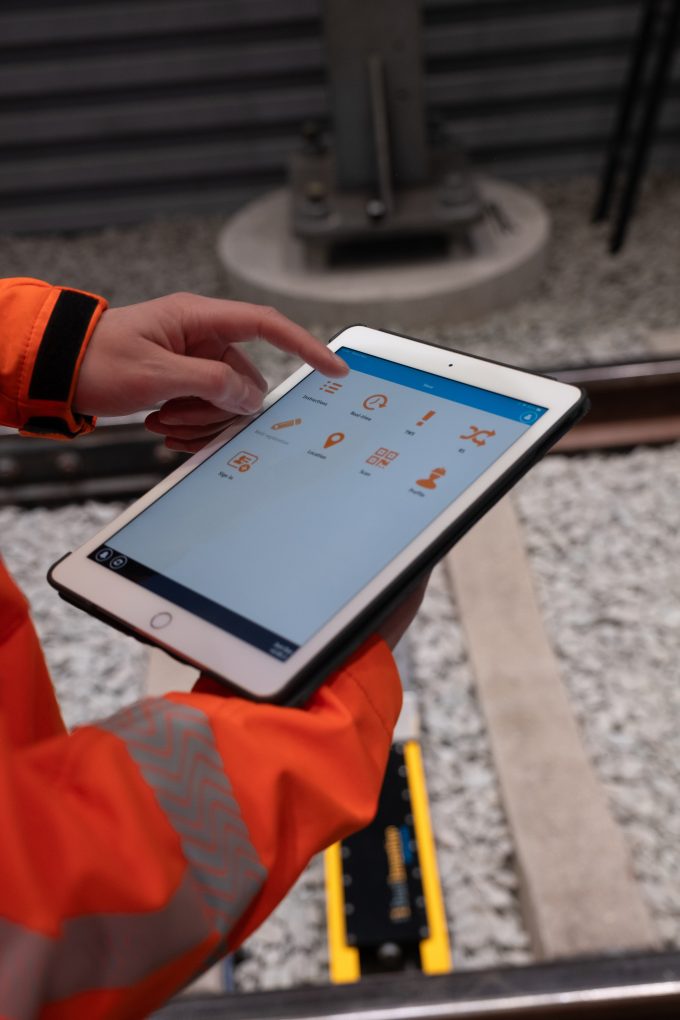
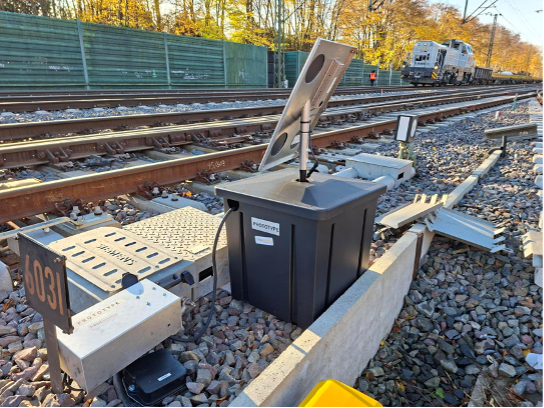
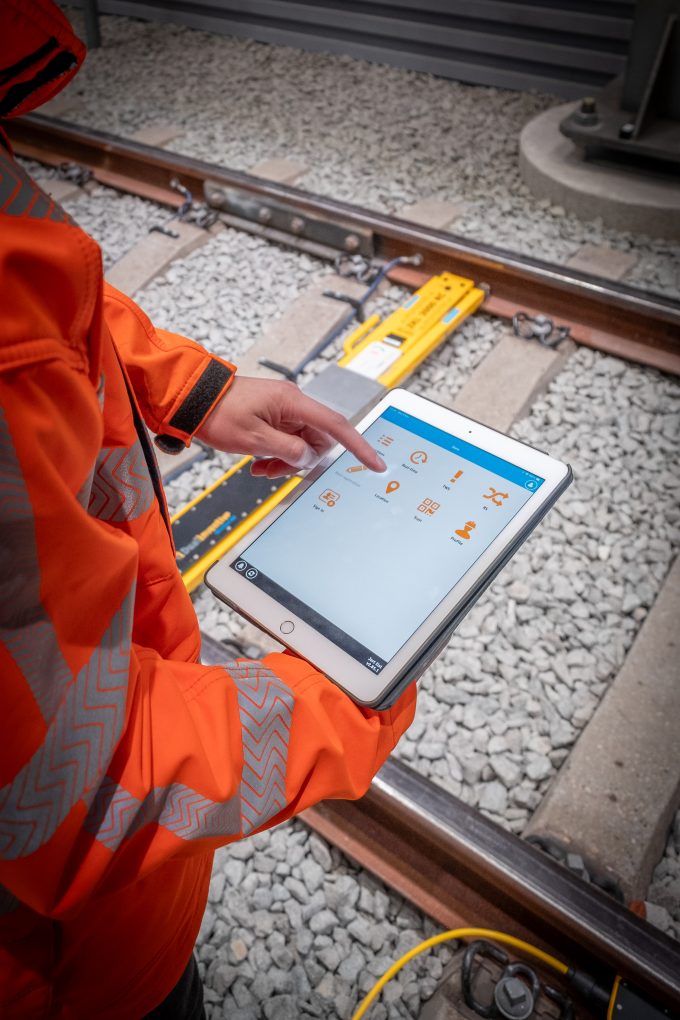
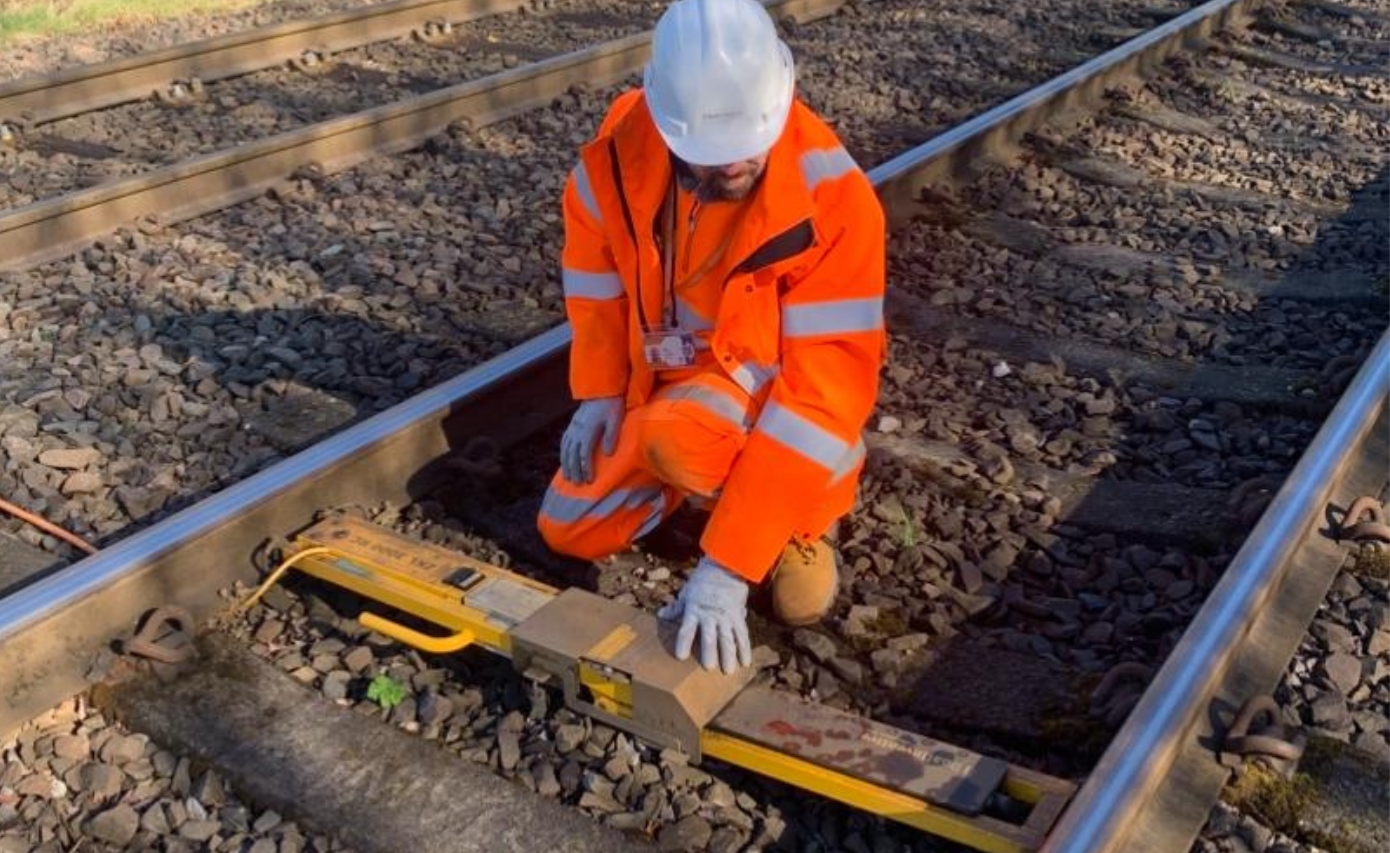
At Dual Inventive, this philosophy underpins our work on remotely managed track safety technologies, including products such as the ZKL 3000 RC, RSS 3000, RCS 3000 and RDI 3000. The aim is not to replace people, but to remove manual, time-consuming protection tasks that add risk without adding value. Even our CRM 3000 (Critical Rail Monitor) has a place here, no longer the need for track workers to take manual temperatures.
From adoption to everyday use
In recent months, the industry has been able to move beyond opinion.
Usage data from late 2025 and early 2026 shows our devices being used hundreds of times across live railway infrastructure. This is no longer about trials or niche applications – it reflects routine use in demanding operational environments.
Each activation represents the same underlying benefit: less time securing protection, fewer people required on track, and greater certainty within constrained access windows.
In parts of the UK, T3-A (using technology to protect possessions) has moved beyond trial use and into routine delivery, with repeated multi-hour activations on live, busy railways. The time savings achieved there provide a clear illustration of how quickly modest efficiencies can add up over the course of a year, leading to real, tangible cost savings at a time when CP7 budgets are being stretched.
On major enhancement programmes, where access is tightly managed and delivery pressure is constant, repeated use has shown how these same principles apply at programme scale. Reduced access time, fewer people exposed to risk, and more predictable delivery all contribute to safer and more efficient outcomes.
This is how “doing more with less” becomes real – through cumulative, repeatable improvement.
Why this matters for safety performance
The link between efficiency and safety is often misunderstood.
Improving safety is not only about responding to incidents or introducing new rules. It is about removing opportunities for error and exposure before work even begins – at the planning stage. That is why prevention technologies matter so much in an environment where performance risks plateauing.
When fewer people need to be on track to establish or remove protection, when access is faster and more predictable, and when manual steps are removed from critical processes, the system becomes inherently safer.
Progress in this space does not come from dramatic change. It comes from doing the right things, consistently, every shift.
A shared challenge across the UK, Europe and beyond
These pressures are not unique to one network or even one country.
Across the UK, Europe and the rest of the world, infrastructure managers face similar challenges: ambitious productivity targets, workforce constraints, and the need to standardise delivery across complex networks while maintaining high safety standards.
What we are seeing in the UK, France and the Netherlands mirrors discussions and trials taking place elsewhere – from regional networks to major metropolitan and freight systems. While the regulatory frameworks differ, the direction of travel is remarkably consistent: reducing reliance on labour-intensive manual processes and increasing confidence through intelligent, remotely managed protection.
This consistency matters. It shows that doing more with less is not a local policy choice or a temporary response to funding pressure. It is a structural shift in how mature railways are choosing to operate.
Redefining what progress looks like
Doing more with less should never mean lowering standards or accepting greater risk.
It should mean:
- Designing risk out of tasks before boots touch ballast
- Using proven technology to remove unnecessary exposure
- Allowing skilled people to focus on the work that genuinely adds value
On a live railway, progress is rarely fast paced. It is incremental, disciplined and built on trust between client, workforce and supply chain.
Turning what works into business as usual
The years ahead will be challenging. The pressure to deliver more with fewer resources will likely only increase, and expectations around safety will rightly remain high.
The opportunity now is not to look for the next new idea, but to deploy what already works more consistently and with greater confidence. Proven technologies exist. The evidence is there. The challenge is embedding them as standard practice.
Doing more with less is a discipline.
And when it is applied well, the outcome is simple: people go home safe, and the railway delivers more than it otherwise could.