Human error has long been recognised as a contributing factor in railway incidents. Not because people are careless or unskilled, but because the environments they operate in are complex, time-pressured and often unforgiving. When safety critical tasks rely on multiple manual steps, coordination between teams, and work carried out on or near the line, the potential for error is built into the system itself.
The industry is serious about improving safety performance – against a backdrop of increasing constraints – and so we are starting to see that the focus is shifting. This isn’t, however, just about responding to errors, but about removing the conditions that allow them to occur in the first place.
The reality of operational complexity
Modern railway operations demand precision. Establishing protection, coordinating access and maintaining situational awareness all involve multiple people, often across multiple locations. These processes are robust, but they are also inherently manual and administrative.
Every additional step introduces an additional dependency on:
- communication being clear and timely
- instructions being interpreted correctly
- people being in the correct locations
- tasks being carried out exactly as intended
Even in well-managed environments, this creates risk. Not constant failure – but variability. It is that variability that the industry continues to wrestle with.
Designing out error, not managing around it
Traditionally, the response to human error has been procedural – more rules, more checks and more training. Arguably, these all have their place, but they do not remove the underlying exposure risks.
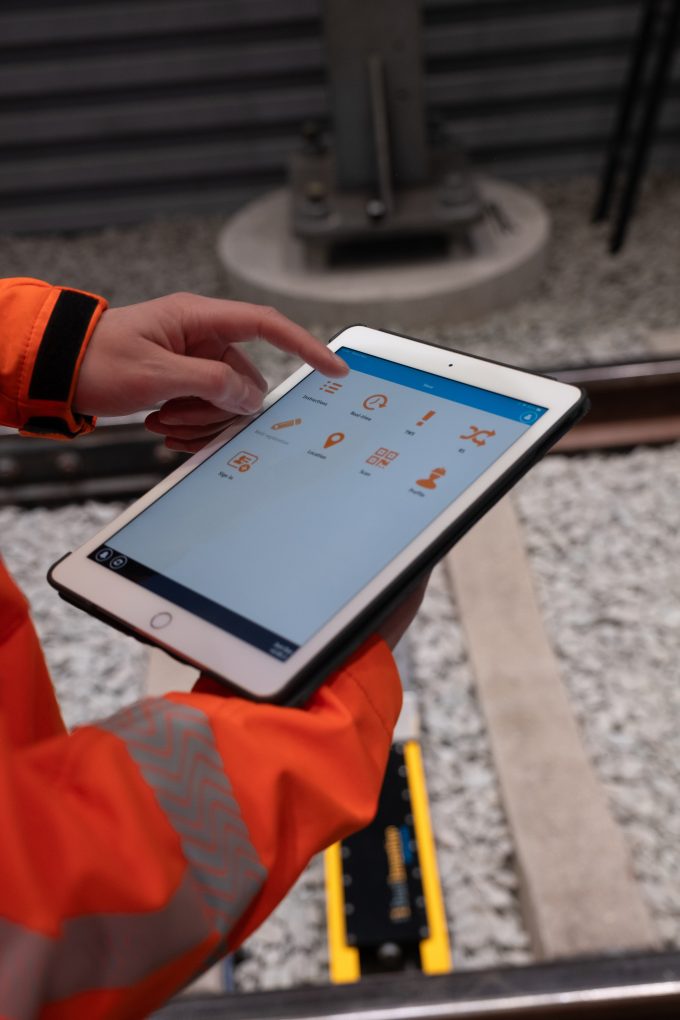
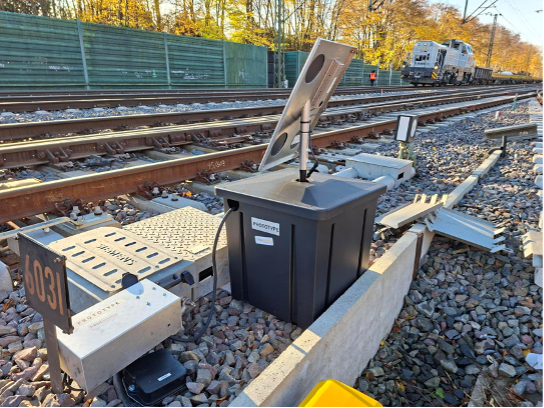
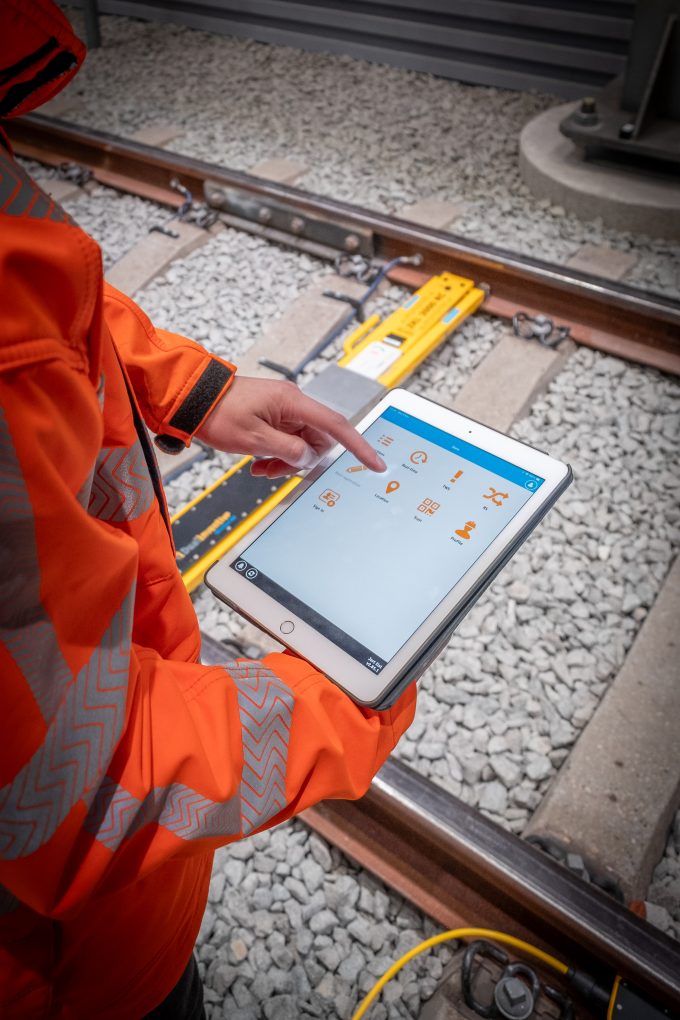
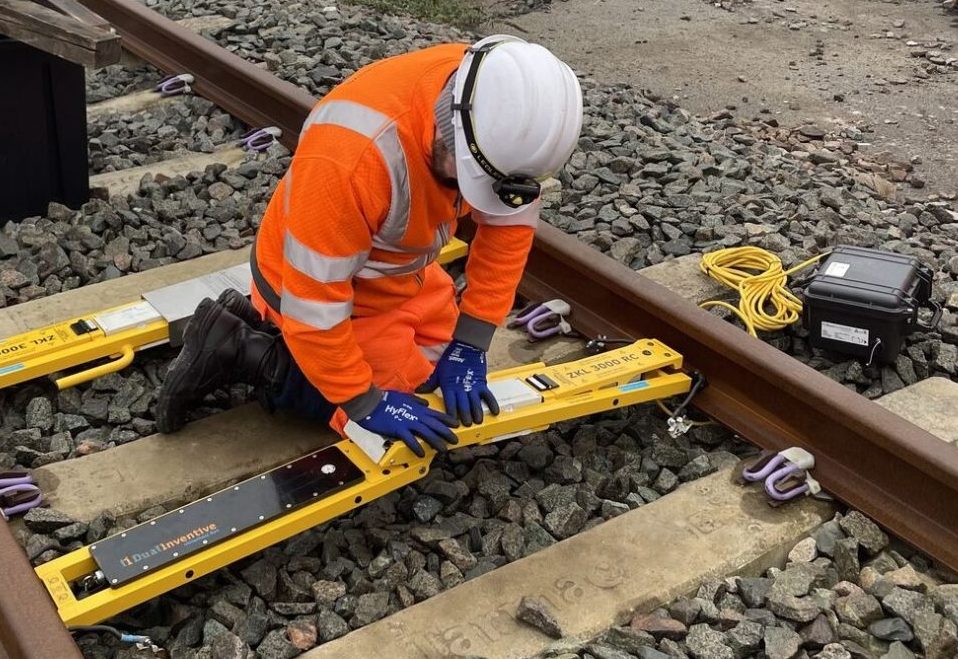
Remote control technologies offer a different approach. By enabling critical safety actions – for example, activating protection or applying isolations – to be carried out from a position of safety, with clear, consistent feedback and fewer manual interventions, the process itself becomes simpler and more deterministic.
This means:
- Fewer steps
- Fewer people placed in hazardous environments
- Fewer opportunities for miscommunication or delay.
This is not about removing human involvement. It is about removing unnecessary human exposure to risk.
Seeing risk before it becomes reality
One of the less visible benefits of remotely managed systems is the improvement in situational awareness.
When status is available in real time, when systems confirm rather than assume, and when control is centralised rather than distributed across multiple locations, potential issues can be identified earlier.
That might be:
- A protection not correctly applied
- A delay in access being established
- A mismatch between planned and actual status
In manual systems, these issues are often only identified once work is underway – or when something goes wrong. With remote visibility, they can be addressed before they escalate.
Prevention, in its simplest form, is about predicting what can happen, based on existing knowledge.
The balance of benefits and challenges
Introducing remote control into railway operations is not without challenges. It requires:
- Integration with existing rules and operational frameworks
- Confidence and buy in from frontline teams and management
- Assurance that systems are reliable, secure and fit for purpose
- Clear understanding of roles and responsibilities in a changed environment
- Increased education for the workforce on the evolving technology landscape
These are not trivial considerations and the railway is right to be cautious. But the benefits are increasingly well understood:
- Reduced time spent on or near the track
- More predictable and repeatable processes
- Improved use of limited access windows
- A measurable reduction in exposure to operational risk
What is becoming clearer is that the question is no longer whether these approaches can work – but how quickly they can be adopted into business as usual processes.
A shift in how safety is delivered
There is a broader shift taking place across the industry. Safety is no longer only about controlling what people do. It is about shaping the system they operate within.
Remote control sits firmly within that shift. It represents a move away from labour-intensive, manually coordinated protection towards systems that are:
- Simpler to execute
- Easier to verify
- Less dependent on perfect human performance
In an environment where the railway is being asked to deliver more with fewer resources, this matters, because the safest system is not the one with the most controls. It is the one with the least opportunity for things to go wrong.
From possibility to standard practice
The technology to enable this already exists, and it is being used today across live railway environments. The challenge now is not innovation – it is normalisation.
Embedding these approaches into everyday operations, building trust through consistent use and aligning processes so that remote control becomes part of how the railway routinely delivers safe access.
This is how progress happens on the railway – not through sudden change, but through steady, evidence-based adoption.
The outcome that matters
Reducing human error is not about removing people from the railway. It is about supporting them with systems that make the right outcome the easiest one to achieve.
When critical tasks are simplified, when exposure is reduced, and when uncertainty is removed from the process, safety improves as a natural consequence.
And in a constrained, complex, modern railway, that is exactly what is needed. A system where people are set up to succeed – every time they step onto the track.